Why Unequal Link Velocity May Be Better for Your Website
The Advancement of Authority in the 2026 Search Environment
Browse algorithms in 2026 have moved far beyond basic link counting. The current environment prioritizes the intent behind every connection and the semantic weight of the surrounding text. In this climate, a single-tier method to building links frequently stops working to offer the momentum required to move the needle for competitive terms. Digital method now relies on a multi-layered architecture that mimics natural citation patterns while concentrating power where it matters most.
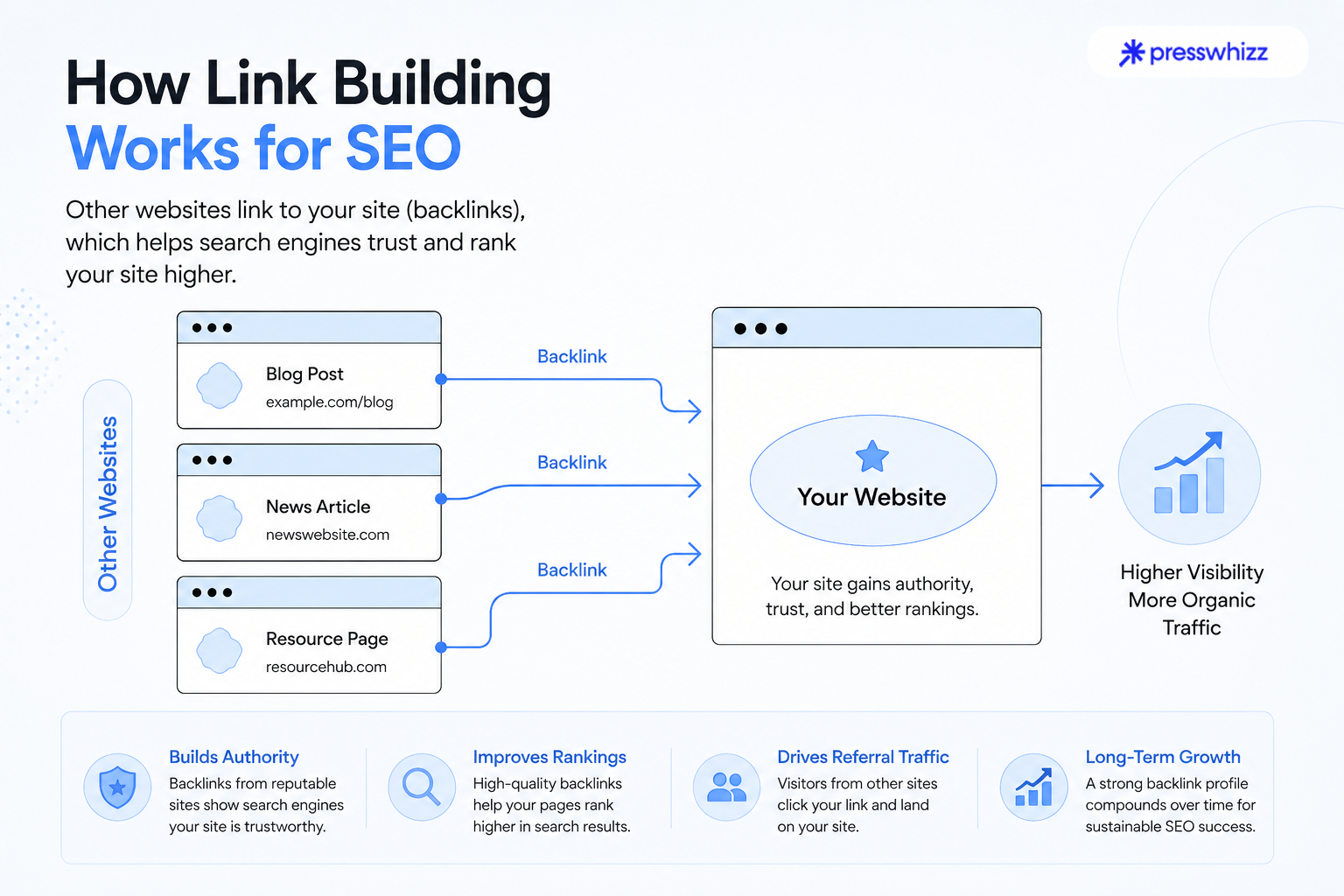
The logic of tiered backlinks involves an intentional hierarchy. Rather of pointing every link directly at a primary page, a structure is built to support the most important connections. This creates a buffer that protects the primary asset from volatility while amplifying the strength of premium positionings. In 2026, online search engine use vector-based indexing to identify if a link is a real suggestion or a determined positioning. Tiered systems assist bypass these filters by creating a more sensible footprint of authority growth.
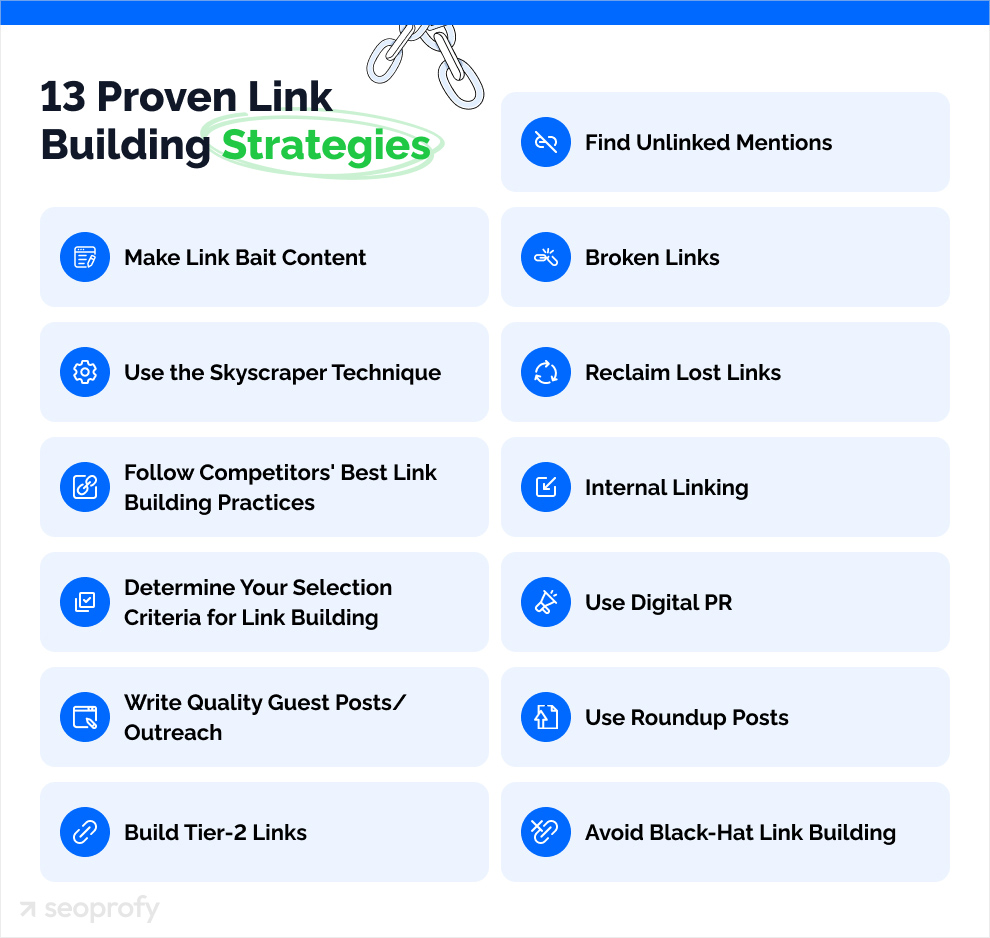
Building this architecture requires a focus on importance at every level. If the fundamental layers do not share a topical connection with the main target, the power transmission remains low. Practitioners in 2026 spend more time ensuring that the context of a Tier 2 link matches the intent of the Tier 1 link than they do on the real volume of the links themselves.
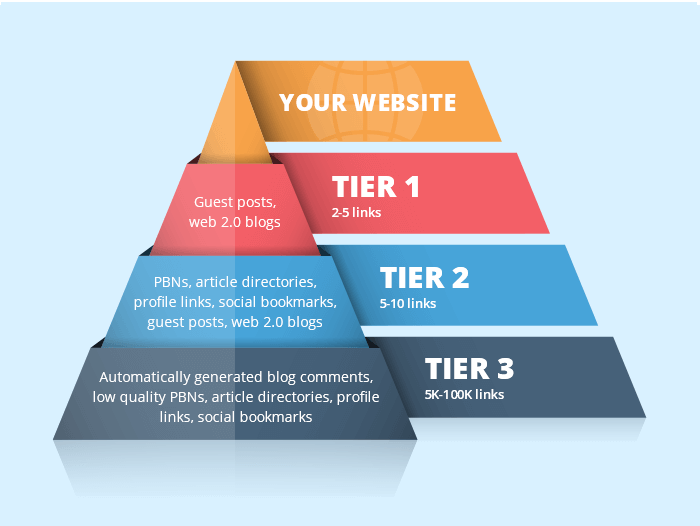
Tier 1: The Integrity Layer and Main Connections
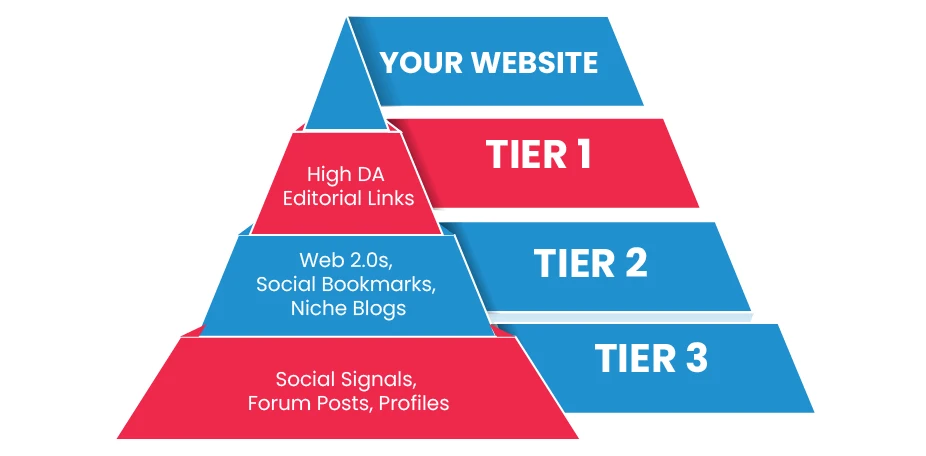
Tier 1 links are the only ones that touch the target page. Because these are the most noticeable to browse indexers, they must originate from high-trust sources. In 2026, a high-trust source is defined by its own incoming traffic and its history of editorial oversight. These are not merely pages with high numbers; they are pages that search engines actively crawl and index on an everyday basis.
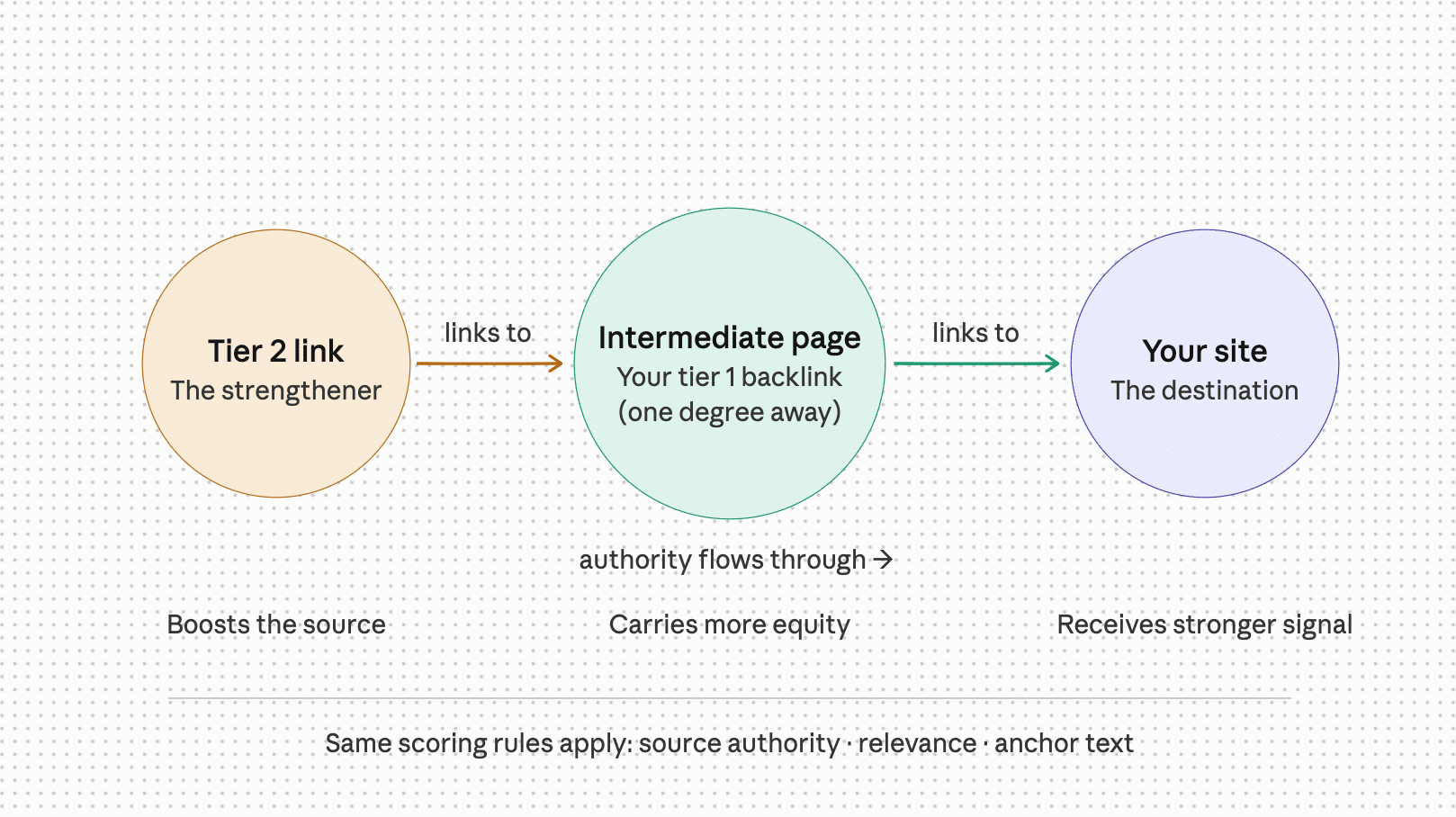
The technique includes putting a handful of elite links that function as the primary pillars. These might consist of editorial points out, guest contributions on industry-specific platforms, or high-level resource citations. Since these links are hard to obtain, maximizing their efficiency is a priority. This is where the 2nd layer comes into play. By enhancing these Tier 1 relate to their own set of backlinks, the authority of the pillar increases without the danger of over-optimizing the primary website.
Lots of companies focused on Asia Virtual Solutions Binding typically see greater crawl frequencies when their Tier 1 assets are regularly revitalized with brand-new inbound signals. This tells the online search engine that the content is not simply a static recommendation however a living part of the existing discussion within a particular niche. The goal is to make the Tier 1 link appear like a viral piece of material that everyone in the sector is talking about.
Tier 2: The Power Multiplier and Contextual Support
The second tier is where the heavy lifting happens. These links point straight to the Tier 1 pages. Their function is to increase the page authority of the first layer, making sure that the "juice" flowing to the last location is as potent as possible. In 2026, Tier 2 links normally consist of niche-relevant blogs, high-authority social profiles, and medium-tier news websites.
Consistency in topical importance is the most essential aspect here. If a Tier 1 link has to do with commercial production, the Tier 2 links supporting it must go over logistics, basic materials, or engineering. Online search engine now map the relationship between these subjects using advanced clustering. If the clusters line up, the authority transfer is efficient. If they do not, the link is typically neglected or discounted.
Success with Asia Virtual Solutions URL Anchor Binding Service needs a deep understanding of how crawling spending plan is dispersed throughout various subdomains. If Tier 2 links are put on stagnant sites that have not been updated in months, they will never be crawled, and the Tier 1 link will remain weak. Smart specialists utilize Tier 2 to diversify anchor text, utilizing more comprehensive terms and brand to stabilize the more specific anchors utilized in Tier 1.
Tier 3: The Discovery Layer and Signal Mass
Tier 3 links are the furthest from the target site. Their main function is to guarantee that the Tier 2 links are discovered and indexed. While these are frequently lower in quality, they are not "spam" in the conventional sense. In 2026, even the bottom layer should maintain a level of basic human readability. These links consist of community forum posts, social bookmarks, and directory entries.
The volume in Tier 3 can be considerably greater than in previous layers. The reasoning is to develop a wide web of signals that lead the search bot toward the Tier 2 pages. This simulates the way details spreads out naturally on the internet: a few major posts are talked about in smaller blogs, which are then shared across countless forums and social threads. This natural dispersion is what the tiered system seeks to duplicate.
- Tier 1: 5-10 high-authority placements with precise or near-exact match anchors.
- Tier 2: 50-100 mid-range placements with broad topical importance.
- Tier 3: 500+ signals concentrated on indexing and fundamental social evidence.
When these layers collaborate, they produce a shield. If a specific Tier 3 source is flagged or declines, the Tier 1 link stays safe. This decoupling is a needed precaution in an era where online search engine often upgrade their quality thresholds. It permits more aggressive experimentation in the lower tiers without risking the primary domain's track record.
Topical Clusters and Recursive Linking in 2026
A brand-new development in 2026 is using recursive connecting within tiered structures. This includes creating loops of authority between Tier 2 and Tier 3 websites that come from the exact same topical cluster. Instead of a direct path, the links form a web that strengthens itself. This makes the whole sub-structure appear more reliable to AI-driven indexers that try to find interconnected neighborhoods of info.
Topical clustering suggests that every link in the chain need to come from a pre-defined set of keywords and concepts. If the target page has to do with renewable resource, the Tier 1 may be a function in a science journal. The Tier 2 might be a series of short articles on photovoltaic panel upkeep. The Tier 3 may be forum discussions about regional energy refunds. This "thematic consistency" is the primary filter used by search engines to detect synthetic link building.
The use of automated material verification by search engines has altered how these layers are composed. In the past, Tier 3 content was typically garbled. In 2026, even the most affordable tier should pass a fundamental accurate check. If the material on a Tier 3 page is nonsensical or includes factual errors that contradict the main website, the link is frequently neglected as a low-value signal. Quality has actually become a requirement at every depth of the pyramid.
Managing Link Decay and Speed
Connect decay is a substantial consider the 2026 search field. A link that was effective six months back may lose its impact if the page it resides on stops receiving its own signals. Tiered backlinking addresses this by providing a constant stream of brand-new connections to the existing links. This "speed management" guarantees that the entire structure stays fresh in the eyes of the spider.
An unexpected spike in Tier 1 links is a warning. Nevertheless, a consistent increase in Tier 3 signals that results in a Tier 2 gain, eventually resulting in a brand-new Tier 1 link, appears like a natural growth curve. This purposeful pacing is what separates successful 2026 techniques from those that get flagged for manipulation. The objective is to develop a structure that looks like a growing consensus instead of a marketing project.
Keeping track of the health of the layers is just as essential as building them. If a Tier 2 website loses its index status, it can break the chain of authority. Professional systems in 2026 usage automated tools to track the indexation of every layer, replacing broken or de-indexed links instantly to keep the circulation of power. This upkeep keeps the main property stable even during significant algorithm shifts.
The Role of Semantic Proximity
Semantic distance describes how carefully associated the language of the connecting page is to the language of the target page. In 2026, search engines utilize Large Language Models to compute a "significance rating" for every single link. If a link originates from a page about pet grooming but points to a website about cloud computing, the proximity rating is near absolutely no. In a tiered system, this score needs to be preserved throughout all levels.
This means that the material on a Tier 2 page need to bridge the gap between the Tier 3 conversations and the Tier 1 editorial material. It serves as a semantic translator, refining the broad subjects of the bottom layer into the specialized language of the leading layer. This transition makes the whole course logical for an online search engine's intent-based crawler. Without this bridge, the power of the lower tiers is typically lost before it reaches the target.
Semantic alignment is no longer optional. It is the core of how links are weighted. Practitioners now utilize specialized tools to make sure that the keywords used in the Tier 3 layer are semantically linked to the core entities of the main website. This develops a "gravity well" of importance that search engines discover difficult to overlook.
Footprint Avoidance and Personal Privacy in Link Architecture
Among the biggest threats in tiered link structure is producing a noticeable pattern, or a "footprint." In 2026, online search engine are highly effective at identifying networks of sites that are owned by the exact same entity or that share the exact same hosting and registration data. Effective tiered structures must be built utilizing varied sources that have no technical connection to one another.
This diversity reaches the type of websites utilized. A mix of CMS platforms, hosting service providers, and domain extensions is required. If all Tier 2 links are on WordPress sites hosted on the same IP range, the system will be flagged. Diversification likewise applies to the timing of link placements. Randomizing the periods in between Tier 1, 2, and 3 develops helps replicate the unpredictable nature of authentic human sharing.
By 2026, making use of AI-generated footprints has also become a concern. If all the material throughout a hundred Tier 2 sites is generated by the same AI model with the same prompts, online search engine can identify the linguistic patterns. Blending content designs, lengths, and tones is required to keep the architecture looking organic. The human element, or a minimum of the appearance of it, stays a vital element of authority structure.
Future Proofing the Link Pyramid
The logic of tiered backlinks is ultimately about developing a resistant system that can hold up against the ever-increasing scrutiny of search engines. As we move through 2026, the focus continues to shift towards the "credibility" of the whole course. A link is only as excellent as the community it comes from. By controlling the community through a tiered method, companies can make sure that their primary properties are seen as the most trustworthy sources in their niche.
This architectural pattern is not about tricking an algorithm; it has to do with supplying the signals that the algorithm is searching for. In a world of infinite content, the tiered backlink structure supplies the structure and hierarchy that enables search engines to organize the web. It is an advanced technique of communication in between a site and the indexer, signaling that a piece of material is not simply present, but reliable, relevant, and trusted by the more comprehensive internet community.
As search innovation continues to advance, those who understand the logic of layered authority will be best placed to preserve their visibility. The crucial depend on the balance between volume and quality, and the understanding that in 2026, every link is a data point in a much larger story of topical supremacy.