The Risk of Over-Reliance on Exact Match Commercial Anchors
Modern Link Speed Trends in the local market for 2026
Search engine algorithms in 2026 have moved beyond basic backlink counting to a sophisticated analysis of development trajectories and link health. The principle of link velocity-- the speed at which a site obtains brand-new referring domains-- has ended up being a main filter for determining unnatural control. In previous years, unexpected spikes in link acquisition often led to fast ranking gains, however the present 2026 environment prioritizes steady, predictable development patterns that mirror real-world brand name expansion.Data from the early months of 2026 programs that websites keeping a constant development rate of 5% to 8% month-over-month carry out substantially much better than those that oscillate between aggressive acquisition and stagnation. This consistency signals to browse engines that the brand is getting authentic traction in its specific niche. For services focusing on digital growth, the focus has moved from "how many links can we get?" to "at what rate can we sustain this growth?" The risk of activating a manual review or an algorithmic suppression boosts when velocity differs the standard of a site's specific market. A regional service provider in the region generally gets discusses at a much slower rate than a worldwide SaaS platform. Imitating the link profile of a various market sector is one of the most common mistakes seen this year. Designers of modern-day link structures now spend substantial time benchmarking the typical velocity of top competitors before initiating a new project.
Advanced Architectural Patterns for online authority
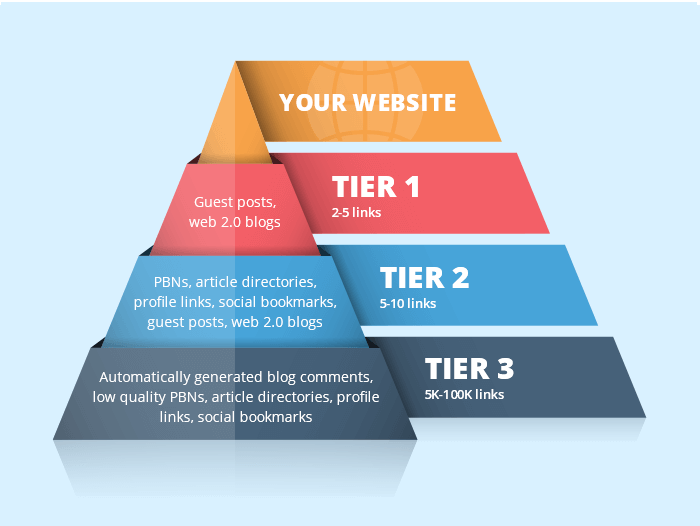
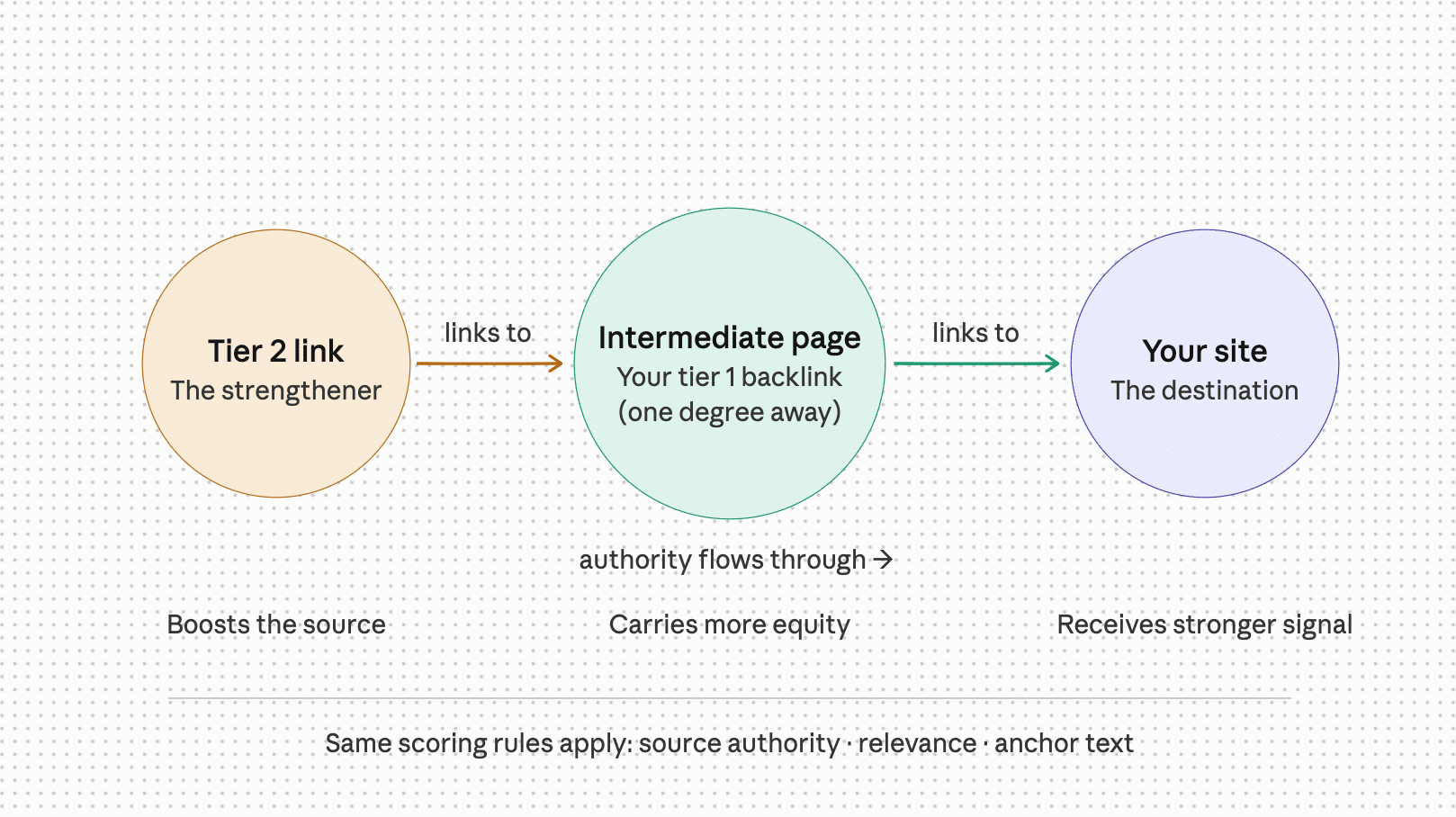
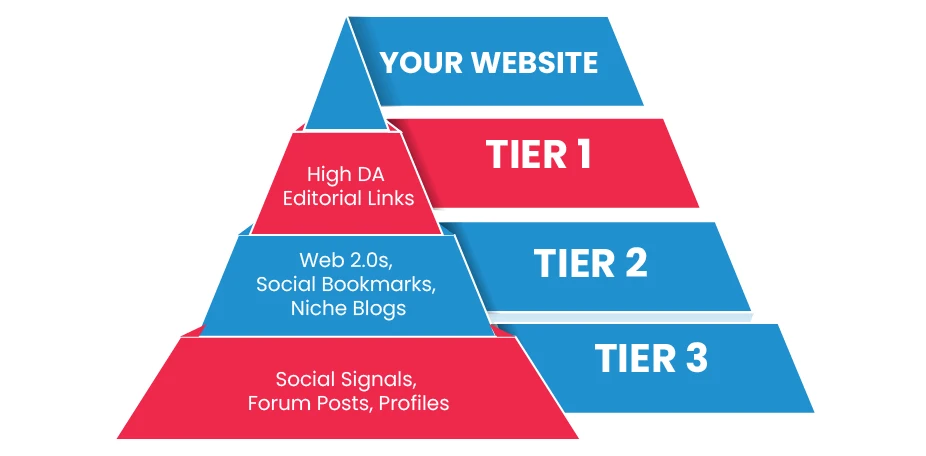
One of the most effective methods to balance speed with safety in 2026 includes tiered architectural patterns. Instead of sending out all high-velocity links straight to a cash page, professionals are utilizing a decoupled technique. This involves constructing a layer of top quality, high-authority "buffer" pages that then connect to the main site. This pattern distributes the "link juice" while supplying a layer of defense. If a specific source of links ends up being problematic later, the buffer can be eliminated or rerouted without impacting the core domain.Interest in Asia Virtual Solutions Options has actually increased because it permits more aggressive experimentation on the outer tiers. In this setup, Tier 1 links are always high-editorial, slow-velocity points out from reliable news or industry sites. Tier 2 and Tier 3 links, which point to the Tier 1 pages, can be obtained at a much greater speed. This "top-heavy" structure pleases the search engine's demand for top quality direct discusses while supplying the raw power needed to move the needle in competitive markets like the surrounding area. This tiered method likewise resolves the issue of "link decay." In 2026, search engines track for how long a link stays active and whether the page it resides on continues to get traffic. By focusing high-velocity efforts on supporting pages, website owners guarantee that their main link profile stays tidy and resilient. The focus is on constructing a steady structure that can withstand the periodic updates that specify the search environment this year.
The Function of Contextual Significance in 2026
Contextual mapping has actually changed simple anchor text optimization as the main motorist of link value. In 2026, online search engine use Big Language Designs to confirm that the link makes good sense within the surrounding text. A link about professional solutions put in a short article about unrelated pastimes will bring practically no weight and may even be flagged as suspicious. The distance of relevant keywords and entities to the link itself is now a measurable ranking factor.Safety in 2026 is often found in "Entity-First" link structure. This involves ensuring that the site is pointed out alongside other recognized brands and terms within the same niche. When a site in the local area is consistently linked to from pages that also point out market leaders, the search engine designates a greater degree of trust to that site. This trust acts as a shield, enabling slightly higher acquisition velocities than would be permitted for an unidentified or "un-entitied" domain.Many companies discover that Asia Virtual Solutions SEO Software Settings Service remains the most efficient way to establish these entity relationships. By protecting points out on platforms that are currently authoritative in a specific geographic or topical specific niche, a brand name can obtain some of that pre-established trust. This strategy is particularly effective for newer domains that lack the historic information online search engine look for when verifying authenticity.
Temporal Spacing and Burst Management
Link structure is no longer a direct process. In 2026, the most successful projects use "burst" patterns followed by durations of stabilization. This imitates the way real news cycles work. If a company in the region launches a new service or product, it is natural to see an abrupt boost in points out across social networks and market blogs. Trying to hide this natural burst by forcing a flat, artificial development line can actually look more suspicious than the burst itself.The secret is "burst management." After a period of high-velocity acquisition, the website should enter a period of "retention and upkeep." Throughout this time, the focus shifts to ensuring that the recently gotten links remain live and that the pages they link to supply a great user experience. Online search engine in 2026 screen the "pogo-sticking" rate of traffic coming from backlinks. If a link sends out traffic that instantly bounces, the link is cheapened regardless of the domain authority of the source.
Handling Link Variety in the immediate market
Variety is the final piece of the security puzzle. A link profile that consists totally of one kind of link-- for example, only guest posts or only directory entries-- is a huge red flag in 2026. A safe, high-velocity profile consists of a mix of:.
- Editorial discusses from high-traffic news outlets
- Niche-specific blog mentions
- Social signals and shares from active accounts
- Local citations and map-based points out for businesses in the area
- Forums and community-based links that drive actual referral traffic
This mix develops a "natural footprint" that is much harder for automated systems to categorize as control. When the link types are different, the velocity of any single type can be greater without drawing unwanted attention. It is the uniformity of a link profile that normally causes trouble. In 2026, range is not almost looks; it is a core requirement for any campaign targeting digital visibility.
Avoiding Typical 2026 Algorithmic Triggers
The online search engine of 2026 have ended up being adept at recognizing "footprints" left by automated link-building tools. Among the most common triggers this year is making use of identical or near-identical material throughout numerous referring domains. If a short article mentioning a business in the region appears on 10 different websites with only minor variations, the whole cluster of links is usually overlooked. Modern projects require special, top quality content for every single single positioning, no matter how little the referring site might be.Another trigger is the "outbound link ratio." In previous years, link contractors just appreciated the website they were getting a link from. In 2026, search engines evaluate the ratio of outgoing links to inbound links on the referring page. If a page links out to dozens of unrelated websites but has no inbound links of its own, it is flagged as a "link farm." High-velocity campaigns that depend on these types of low-quality pages are rapidly neutralized by the present algorithms.Instead, effective practitioners search for "active" pages. These are pages that are regularly upgraded and get a consistent stream of organic traffic. A single link from an active page deserves more than fifty links from "dead" pages that exist only to host backlinks. The focus on quality over quantity has never been more pronounced than it remains in 2026. For those seeking to scale their efforts, the only safe course is to buy higher-quality placements that can support a faster acquisition rate.
Future-Proofing Your Backlink Structure
As we move through 2026, the integration of AI in search indexing will only deepen. This suggests that the "detectors" will end up being more nuanced. The finest way to future-proof a link-building technique is to guarantee that every link provides authentic worth to a human reader. If a link is helpful, contextually appropriate, and put on a website with its own audience, it will likely endure any future algorithmic shifts.The balance of speed and security is a moving target. What operate in January 2026 may be risky by December. Remaining ahead needs consistent tracking of the search engine result in the regional market and a willingness to adjust methods as the data determines. By focusing on architectural patterns like tiered buffers, focusing on entity-based importance, and keeping a varied link profile, services can achieve the growth they need without jeopardizing the long-term health of their digital presence. The most successful brands this year are those that treat link structure as an element of a more comprehensive PR and brand-building effort. When links are a byproduct of a company's real-world activity, the velocity looks after itself. For everything else, the mindful application of innovative architectural patterns provides the needed support to contend in the requiring 2026 digital environment. Methods that stress online growth will continue to develop, however the principles of importance, diversity, and handled velocity will remain the structure of any safe and reliable campaign. By observing these rules and preventing the risks of over-automation, site owners can navigate the intricacies of 2026 search with self-confidence. The objective is to construct a profile that looks less like a series of technical maneuvers and more like a record of a brand name's increasing value in its field. This shift in viewpoint is the hallmark of the innovative link designer in 2026. Preserving this balance makes sure that a site stays competitive today while constructing a base that will last into 2027 and beyond. Growing an existence in the current market needs patience, but with the right architectural technique, the benefits are both substantial and sustainable.