Securing Tiered Assets from High-Velocity Failure Rates
Structural Stability in 2026 Link Structure
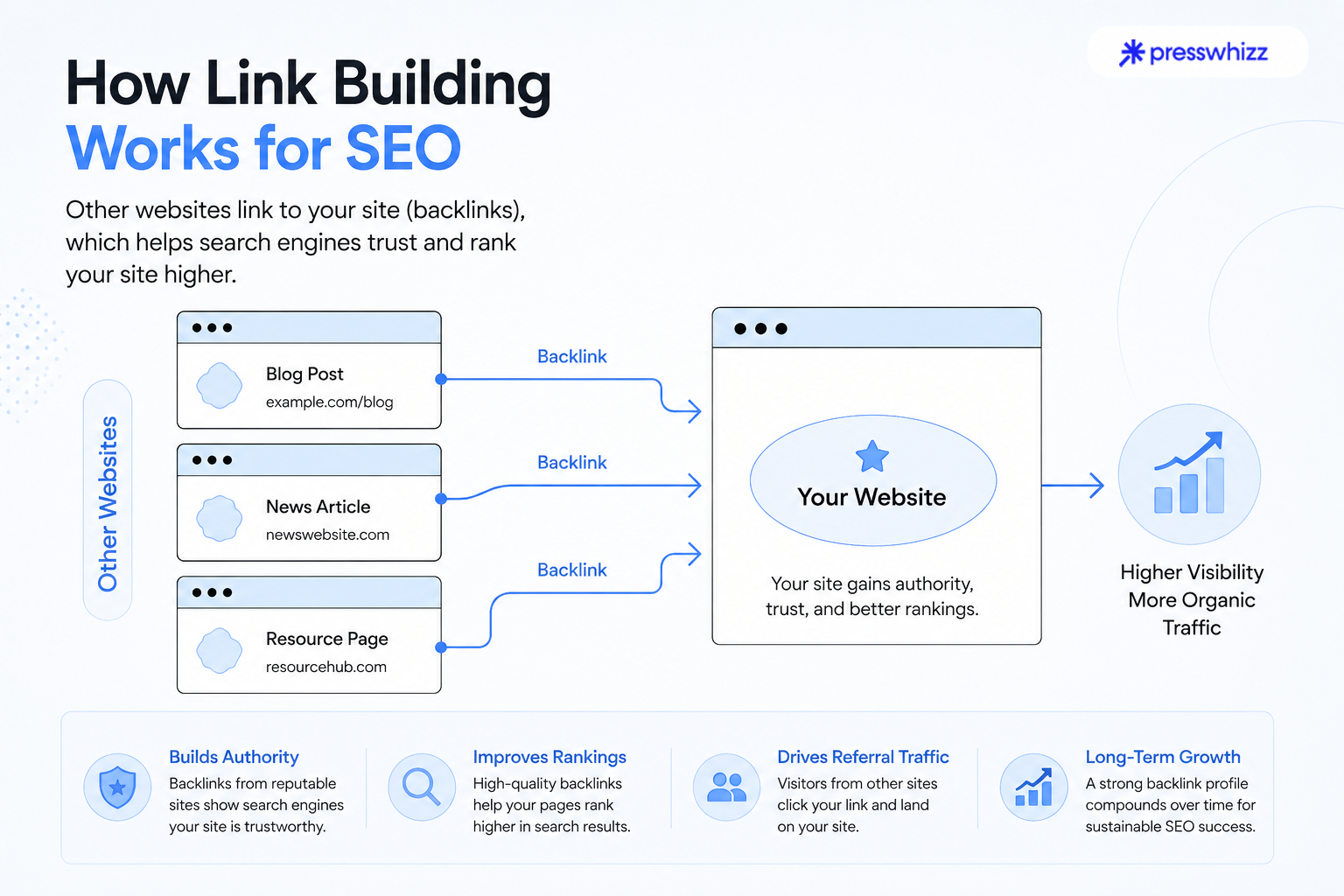
Online search engine algorithms in 2026 have actually moved beyond basic citation counting. The existing digital environment prioritizes how a link fits into the surrounding text and the more comprehensive purpose of the page. This shift has positioned a huge emphasis on Tier 1 possessions. These are high-authority, typically manual, placements that sit directly behind a target website. They work as the primary avenues for authority and trust. Unlike the automated or low-grade links of previous years, a Tier 1 possession in 2026 should look, feel, and function like a genuine piece of editorial material.
The architecture of these assets determines how well a site endures algorithmic updates. When search crawlers assess a link, they analyze the "semantic area" of the anchor text. If a link appears in a paragraph that talks about unassociated subjects, the worth of that link is heavily marked down. Professionals focusing on Asia Virtual Solutions Tiering discover that significance ratings improve significantly when the surrounding 500 words offer deep topical coverage that mirrors the destination page. This requires a shift from amount to a more calculated, architectural technique.
Defining High-Value Tier 1 Properties in the modern market
A Tier 1 possession is more than just a guest post. In 2026, these possessions include top-level press releases, industry-specific directory sites with manual vetting, and long-form short articles on reliable domains. The crucial attribute is that these pages might base on their own without the link. They supply value to a reader in the local area or any other regional market by providing insights, data, or news.
The relationship between the possession and the target site is now measured by "entity association." If the Tier 1 property is about professional solutions and it links to a site that search engines have actually already categorized because exact same niche, the link brings maximum weight. The contextual link acts as a confirmation of the target site's proficiency. Without this alignment, the link might even be ignored by modern AI-driven crawlers that are trained to identify "topical inequalities" immediately.
The Interaction In Between Context and Authority
Authority is no longer a fixed number. In 2026, authority is fluid and context-dependent. A high-authority website in the medical field offers very little "juice" to a website in the building and construction market. This is why the contextual surrounding of a link in a Tier 1 asset is the most important factor for ranking. The text should bridge the gap between the host website and the location.
Advanced architectural patterns include producing "bridge material" on Tier 1 websites. This content begins with a topic native to the host website and gradually transitions towards the niche of the target site. This develops a natural path for both users and spiders. When this transition is dealt with properly, the link feels like a needed resource instead of an advertisement.
Enhancing for web visibility Through Contextual Clusters
Asia Virtual Solutions Professional Tier 1 Data acts as a main driver for authority transfer in intricate architectures. This particular method includes organizing several Tier 1 possessions together to support a single thematic cluster on the main site. Instead of sending out all links to the homepage, contemporary strategies distribute them throughout deep internal pages. This simulates a natural growth pattern where different areas of a site earn acknowledgment for their specific merits.
In the regional sector, organizations that embrace this clustered method frequently outperform those using old-school "blast" techniques. By building 3 or four premium Tier 1 possessions that all point to a specific service page, you develop a "importance silo." This silo signals to online search engine that the target page is a definitive source of information. The contextual links within these Tier 1s ought to use diverse but associated terminology to avoid over-optimization.
Avoiding Algorithmic Detection in Tiered Architecture
Among the most significant dangers in 2026 is the "footprint" left by repeated link-building patterns. Search engines are adept at spotting link networks that use the very same material structure or hosting service providers. To counter this, Tier 1 assets must vary. This suggests utilizing various types of media, such as embedded videos, original images, and interactive aspects.
The placement of the link within the HTML structure also matters. In 2026, links placed in the "meat" of the content-- surrounded by headers and lists-- are valued more than those in the initial or concluding paragraphs. The goal is to make the link look like a necessary piece of the narrative. If the link were eliminated and the paragraph no longer made sense, you have accomplished perfect contextual integration.
Assessing Progress in the regional sector
Keeping track of the performance of Tier 1 properties requires looking at more than just rank improvements. In 2026, SEO specialists track "recommendation traffic quality" and "link crawl frequency." If a Tier 1 property is not being crawled regularly, it is not passing any worth. Premium contextual links typically reside on pages that get their own internal or external traffic, ensuring the online search engine keeps the page in its active index.
Success in the current environment also depends on the "age-in" period. A link produced today may not reveal its full effect for several weeks or months. This hold-up is a built-in feature of 2026 search algorithms designed to prevent short-term manipulation. Persistence and consistency in developing these properties are more effective than attempting to require rapid results through high-volume, low-context techniques.
Multi-Tier Synergy and Power Ups
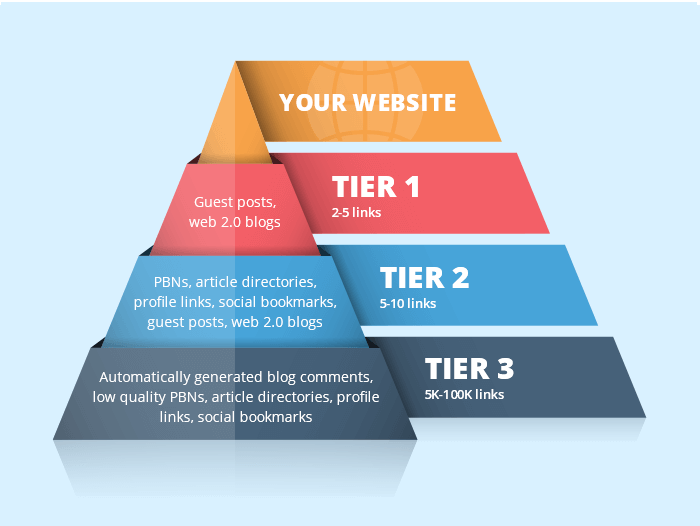
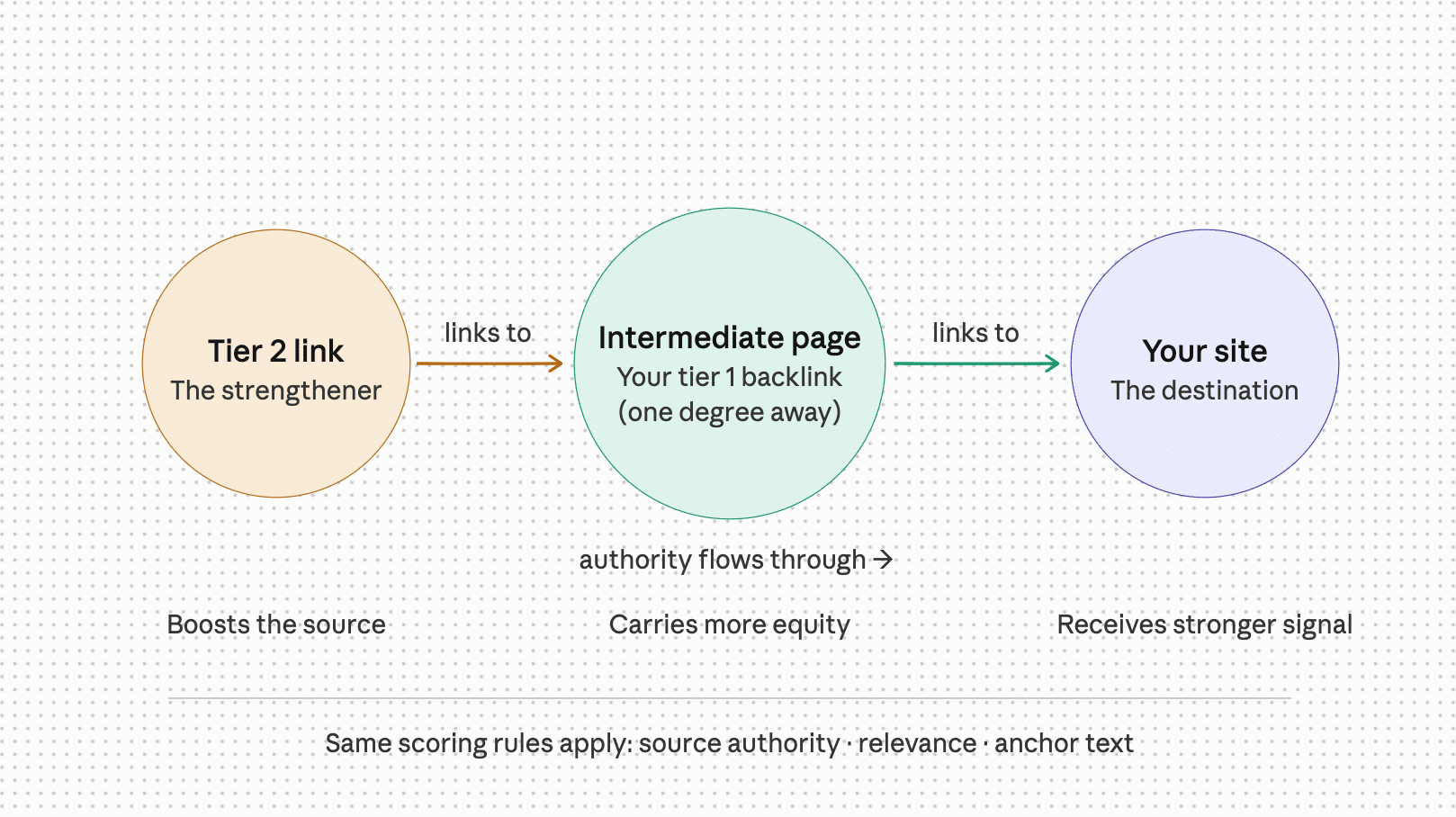
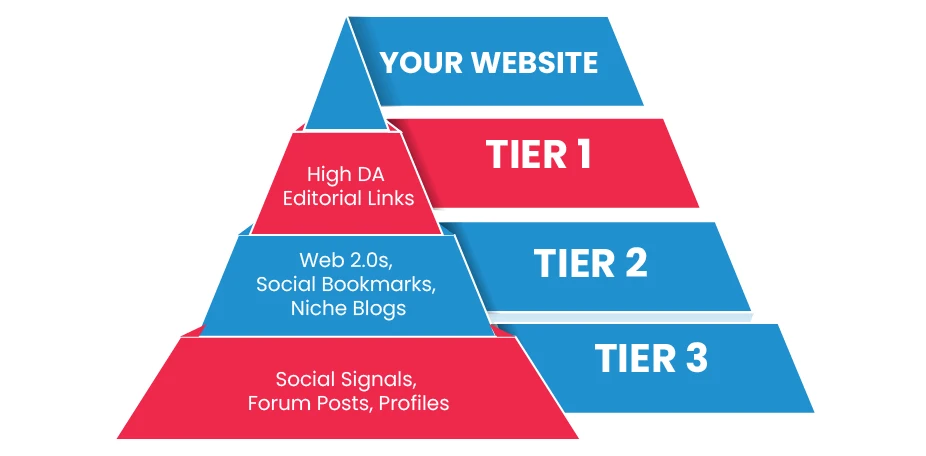
While Tier 1 properties are the main focus, they do not exist in a vacuum. A typical 2026 tactic includes "powering up" these possessions with Tier 2 links. These are lower-tier links that indicate the Tier 1 asset, not the primary site. This increases the authority of the Tier 1 page, which in turn passes more value through the contextual link to the final location.
This layered technique protects the main website from potential penalties. If a Tier 2 link is flagged as poor quality, it just impacts the Tier 1 property, leaving the cash site safe. It enables a more aggressive promo of the Tier 1 content, which is typically needed to get it observed by the crawlers in a congested digital area.
Content Standards for 2026 Link Assets
The quality of writing in a Tier 1 possession must be indistinguishable from top-tier journalism. Online search engine now use linguistic models to determine the "intricacy" and "creativity" of text. If the material on a Tier 1 site is identified as generic AI-generated filler, the link within it loses its potency. Every property must consist of distinct data points, quotes from specialists, or particular local references to the local market to ground the content in truth.
HTML5 semantic tags are also utilized more effectively in 2026. Using << short article >, ```` << area ><, and< aside > tags within the Tier 1 property helps crawlers understand the hierarchy of the info. A link put within a ``` << section > that has a plainly defined `` << h3 > heading is much more effective than one buried in a generic `<< div >. This level of technical information is what separates professional link architecture from amateur efforts.` `` ``` ````
`` ` ### Predictive Analytics for Link Health Looking ahead through the rest of 2026, making use of predictive analytics is ending up being standard. SEO tools can now estimate the "decay rate" of a link based on the host site's historic stability. When picking a domain for a Tier 1 property, it is essential to pick one with a history of consistent uptime and material updates. A contextual link on a passing away website will ultimately end up being a liability rather than an asset. Architectural patterns should account for the long-lasting viability of the link. This implies avoiding "trending" topics that will lose relevance in a few months. Instead, Tier 1 assets ought to concentrate on evergreen content that will continue to bring in spiders and potentially even human clicks for years. This sustainability is the trademark of advanced backlink techniques in the current era. The role of contextual links in Tier 1 assets is to function as a bridge of trust. By focusing on semantic significance, technical HTML precision, and high-quality editorial requirements, a website can develop a defensive and offensive link profile. This method makes sure that the site stays visible and reliable no matter how the search algorithms continue to progress throughout 2026 and beyond. ` ``