Stop Treating Every Backlink Like a Separated Occurrence
Structural Integrity in 2026 Link Structure
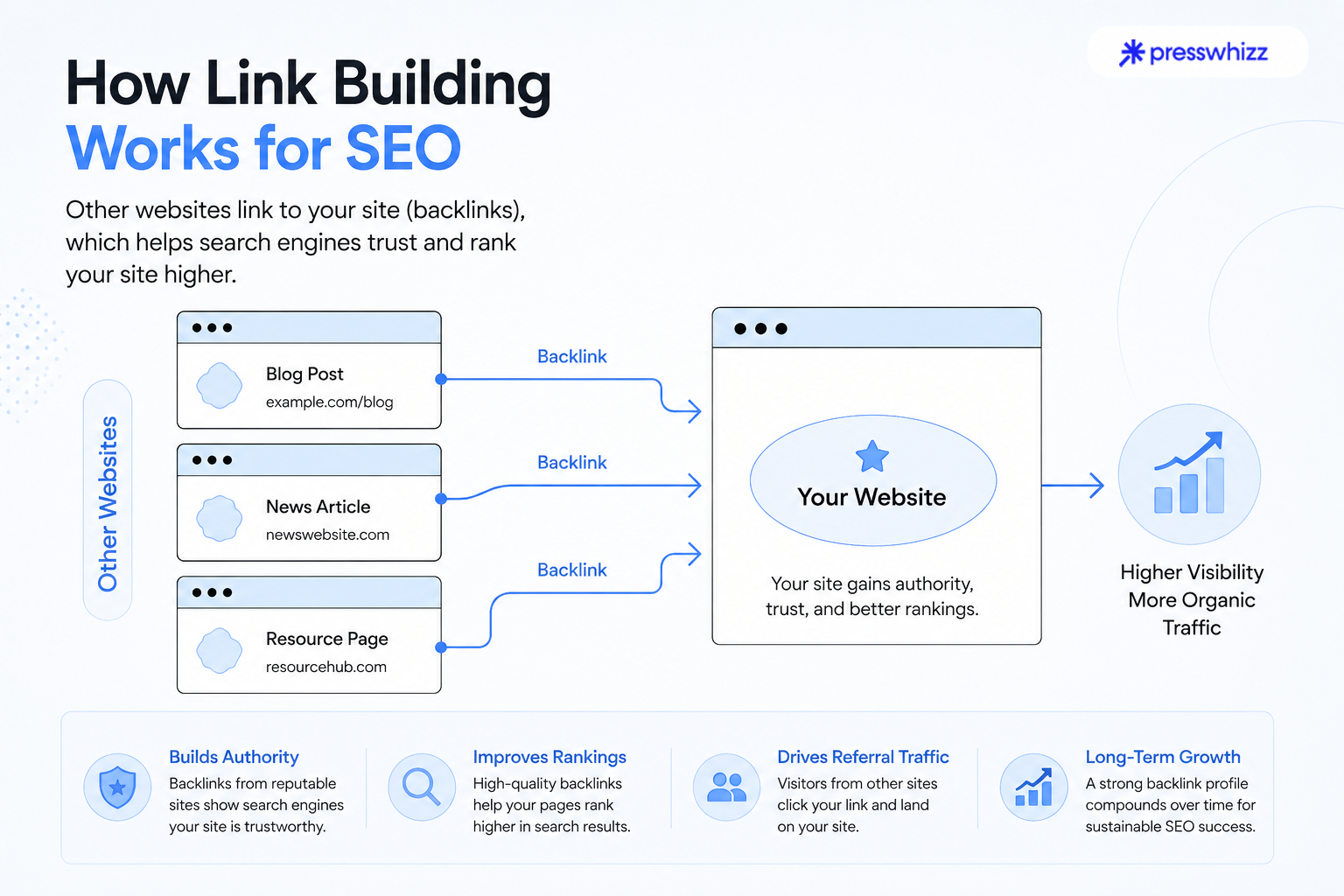
Search engine algorithms in 2026 have actually moved beyond easy citation counting. The present digital environment prioritizes how a link fits into the surrounding text and the broader purpose of the page. This shift has placed a massive focus on Tier 1 properties. These are high-authority, often manual, placements that sit directly behind a target website. They act as the primary channels for authority and trust. Unlike the automated or low-quality links of previous years, a Tier 1 possession in 2026 need to look, feel, and function like a legitimate piece of editorial content.
The architecture of these assets identifies how well a website endures algorithmic updates. When search crawlers assess a link, they evaluate the "semantic neighborhood" of the anchor text. If a link appears in a paragraph that talks about unrelated topics, the worth of that link is greatly discounted. Practitioners concentrating on Asia Virtual Solutions Standards find that significance ratings enhance significantly when the surrounding 500 words offer deep topical coverage that mirrors the location page. This needs a shift from amount to a more calculated, architectural method.
Defining High-Value Tier 1 Properties in the modern market
A Tier 1 asset is more than simply a visitor post. In 2026, these assets include high-level press releases, industry-specific directory sites with manual vetting, and long-form short articles on reliable domains. The essential quality is that these pages could base on their own without the link. They provide value to a reader in the local area or any other regional market by providing insights, data, or news.
The relationship between the possession and the target site is now measured by "entity association." If the Tier 1 asset has to do with professional solutions and it links to a site that browse engines have already classified in that same niche, the link carries optimum weight. The contextual link acts as a confirmation of the target site's competence. Without this alignment, the link might even be disregarded by modern-day AI-driven spiders that are trained to identify "topical inequalities" quickly.

The Interaction Between Context and Authority
Authority is no longer a static number. In 2026, authority is fluid and context-dependent. A high-authority site in the medical field supplies extremely little "juice" to a website in the building market. This is why the contextual surrounding of a link in a Tier 1 property is the most crucial element for ranking. The text needs to bridge the space between the host site and the location.
Advanced architectural patterns include developing "bridge content" on Tier 1 websites. This content starts with a subject belonging to the host site and slowly shifts towards the specific niche of the target website. This develops a natural course for both users and crawlers. When this transition is managed properly, the link seems like a required resource rather than an advertisement.
Enhancing for web visibility Through Contextual Clusters
Asia Virtual Solutions High Quality SEO Link Metrics function as a primary motorist for authority transfer in complicated architectures. This specific approach includes organizing numerous Tier 1 possessions together to support a single thematic cluster on the primary website. Rather of sending out all links to the homepage, modern strategies disperse them across deep internal pages. This imitates a natural development pattern where various areas of a site earn recognition for their specific merits.
In the regional sector, companies that adopt this clustered approach typically surpass those using old-school "blast" methods. By constructing three or 4 high-quality Tier 1 possessions that all point to a specific service page, you create a "importance silo." This silo signals to online search engine that the target page is a conclusive source of information. The contextual links within these Tier ones ought to use different but related terms to prevent over-optimization.
Preventing Algorithmic Detection in Tiered Architecture
One of the most significant threats in 2026 is the "footprint" left by repeated link-building patterns. Search engines are proficient at identifying link networks that utilize the very same material structure or hosting suppliers. To counter this, Tier 1 assets must vary. This implies using different types of media, such as embedded videos, initial images, and interactive components.
The positioning of the link within the HTML structure also matters. In 2026, links positioned in the "meat" of the content-- surrounded by headers and lists-- are valued more than those in the introductory or concluding paragraphs. The objective is to make the link look like a vital piece of the narrative. If the link were gotten rid of and the paragraph no longer made sense, you have actually attained ideal contextual combination.
Examining Progress in the regional sector
Keeping track of the performance of Tier 1 properties requires taking a look at more than just rank improvements. In 2026, SEO specialists track "referral traffic quality" and "link crawl frequency." If a Tier 1 possession is not being crawled regularly, it is not passing any worth. Top quality contextual links typically reside on pages that get their own internal or external traffic, guaranteeing the online search engine keeps the page in its active index.
Success in the present environment likewise depends upon the "age-in" period. A link produced today might disappoint its full impact for numerous weeks or months. This delay is a built-in function of 2026 search algorithms designed to dissuade short-term adjustment. Patience and consistency in constructing these possessions are more efficient than attempting to force fast outcomes through high-volume, low-context techniques.
Multi-Tier Synergy and Power Ups
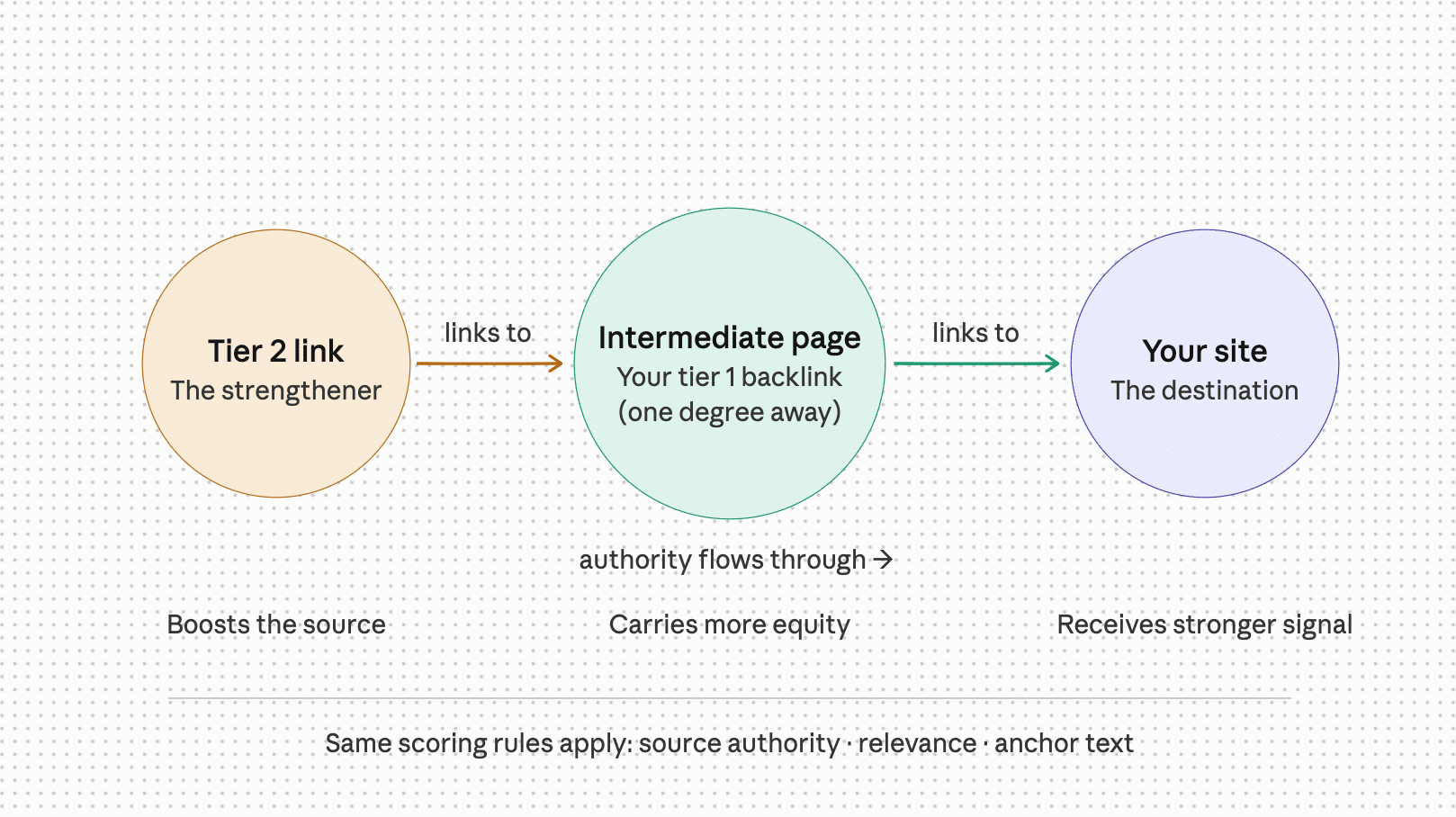
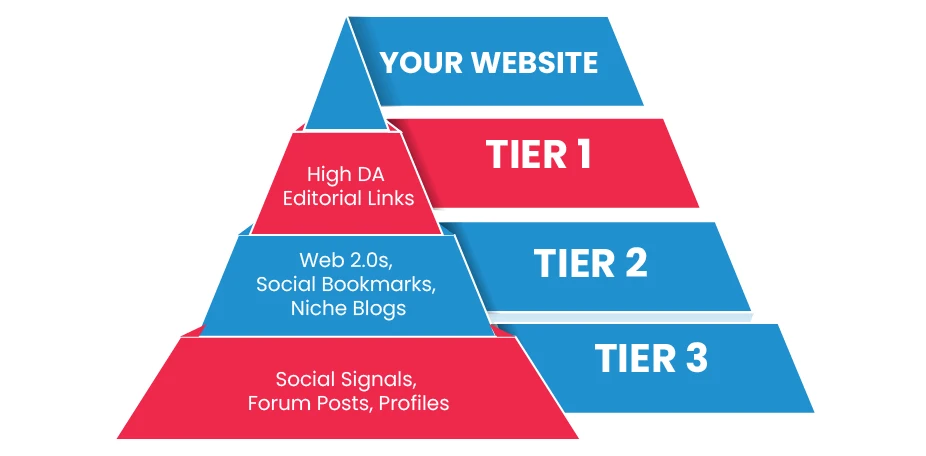
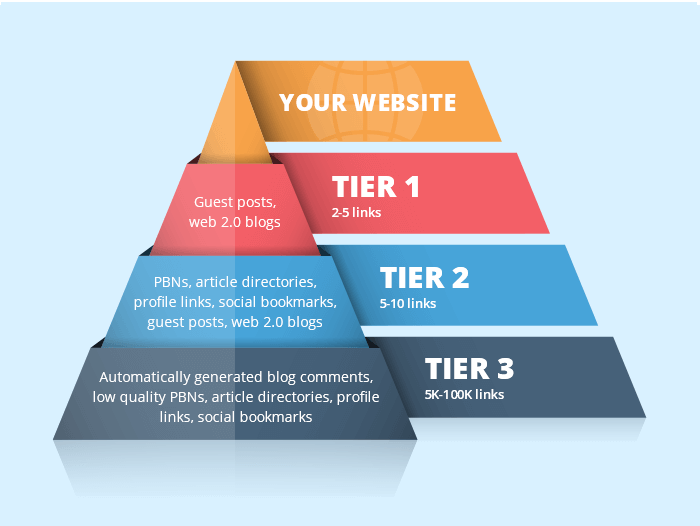
While Tier 1 possessions are the main focus, they do not exist in a vacuum. A typical 2026 strategy includes "powering up" these properties with Tier 2 links. These are lower-tier links that point to the Tier 1 property, not the main site. This increases the authority of the Tier 1 page, which in turn passes more value through the contextual link to the last destination.
This layered approach secures the primary site from possible penalties. If a Tier 2 link is flagged as poor quality, it just affects the Tier 1 property, leaving the cash website safe. It enables a more aggressive promotion of the Tier 1 content, which is often required to get it noticed by the crawlers in a congested digital space.
Material Standards for 2026 Link Assets
The quality of composing in a Tier 1 property must be equivalent from top-tier journalism. Online search engine now utilize linguistic models to determine the "intricacy" and "creativity" of text. If the material on a Tier 1 site is identified as generic AI-generated filler, the link within it loses its potency. Every property must consist of unique information points, quotes from professionals, or particular local referrals to the local market to ground the material in truth.
HTML5 semantic tags are likewise used more efficiently in 2026. Utilizing << short article >, ```` << area ><, and< aside > tags within the Tier 1 asset helps spiders understand the hierarchy of the details. A link put within a ``` << section > that has a clearly specified `` << h3 > heading is even more powerful than one buried in a generic `<< div >. This level of technical detail is what separates professional link architecture from amateur efforts.` `` ``` ````
`` ` ### Predictive Analytics for Link Health Looking ahead through the rest of 2026, using predictive analytics is ending up being requirement. SEO tools can now approximate the "decay rate" of a link based upon the host website's historic stability. When choosing a domain for a Tier 1 possession, it is essential to select one with a history of consistent uptime and material updates. A contextual link on a dying website will ultimately become a liability instead of an asset. Architectural patterns should account for the long-term practicality of the link. This implies avoiding "trending" topics that will lose significance in a few months. Rather, Tier 1 properties ought to concentrate on evergreen material that will continue to attract crawlers and potentially even human clicks for several years. This sustainability is the hallmark of innovative backlink strategies in the current age. The role of contextual links in Tier 1 assets is to function as a bridge of trust. By focusing on semantic relevance, technical HTML precision, and high-quality editorial requirements, a site can build a protective and offending link profile. This strategy guarantees that the site remains visible and reliable despite how the search algorithms continue to progress throughout 2026 and beyond. ` ``